

Location is one of the most important factors when buying or renting a home. The community you land in can have a huge impact on your quality of life. You can renovate your house, but you can’t change your neighborhood.
For those who value convenience and connection, living in a walkable neighborhood is a top priority. Fortunately, a simple test can reveal a lot about the walkability, safety, and sense of community in an area.

The 30-Minute Walk Test
The 30-minute walk test is an easy and effective way to test the walkability of a neighborhood. In this short walk, all you have to do is take note of the locations you pass by and consider the safety, comfort, and accessibility of your journey.
If you’re considering purchasing a specific home in the neighborhood, start at that house and head toward the neighborhood center. Take a different route back to the home to test a variety of routes in the area.
If you can, doing a few walking tests at different times of day can be very enlightening. Check out what the neighborhood looks and feels like during commuting hours, and take another walk as the sun is starting to set. This can be especially helpful for evaluating safety.
Here are 10 features of walkability to look for during your walking test:
1. Stores and Amenities
A truly walkable neighborhood will have all the shops you need for your everyday essentials, such as a market, hardware store, and pet supply store. The neighborhood gets bonus points for other local shops, like bookstores, boutiques, thrift shops, or craft stores.
Look for restaurants, coffee shops, bars, music venues, and other hangouts as well. These amenities make it easy to have fun and find local connections without needing to leave the neighborhood.

2. Community Resources
Shops and restaurants in walking distance make a neighborhood feel fun and lively, but the functional resources in a community may be even more important. Think about the routine tasks involved in managing your life and the errands you frequently run. As you walk around the neighborhood, keep an eye out for those spots.
Here are some of the most important community resources you should see in a walkable neighborhood:
- School
- Bank
- Post office
- Doctor’s office
- Laundromat
- Gym
- Barbershop or hair salon
3. Sidewalk Maintenance
The businesses and resources in a neighborhood are only part of the equation when assessing walkability. Not only should you consider the destinations available to you, but you also should think about the walk itself.
The condition of the sidewalks is a great reflection of the city’s overall attitude toward pedestrians. If the sidewalks are an obstacle course of cracks and potholes, walking will not be a comfortable experience. On the other hand, when the sidewalks are well maintained, it’s a sign that the community invests in walkability.
If the area experiences winter weather, consider how the sidewalks are maintained after snowstorms. In walkable communities, the sidewalks are cleared almost as quickly as the roads. If the sidewalks aren’t salted or plowed in a timely manner, getting around on foot in the winter will be very difficult.
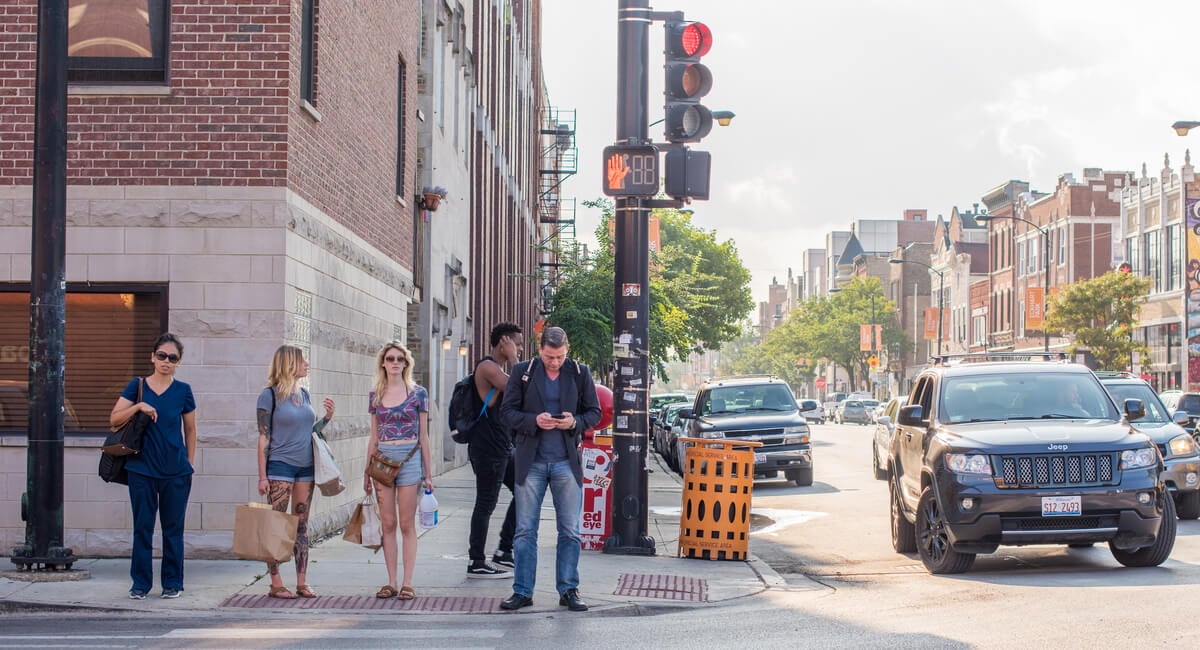
4. Crosswalks and Crossing Lights
As you walk through the neighborhood, think about pedestrian safety. Walkable neighborhoods have infrastructure that protects pedestrians at every step.
Look for crosswalks and crossing lights at intersections. It should feel easy and safe for you to cross the street to get to your destination. If you have to cross a busy road with no crosswalk or light giving you the right of way, the neighborhood may not be as walkable as it first seemed.

5. Street Lights
Street lights are an important safety feature for pedestrians. They help you avoid obstacles on the sidewalk and allow drivers to see you. Additionally, well-lit streets can deter crime.
If possible, take a walk around the neighborhood in the evening to assess the street lights. A high number of broken or flickering lights can be a red flag.
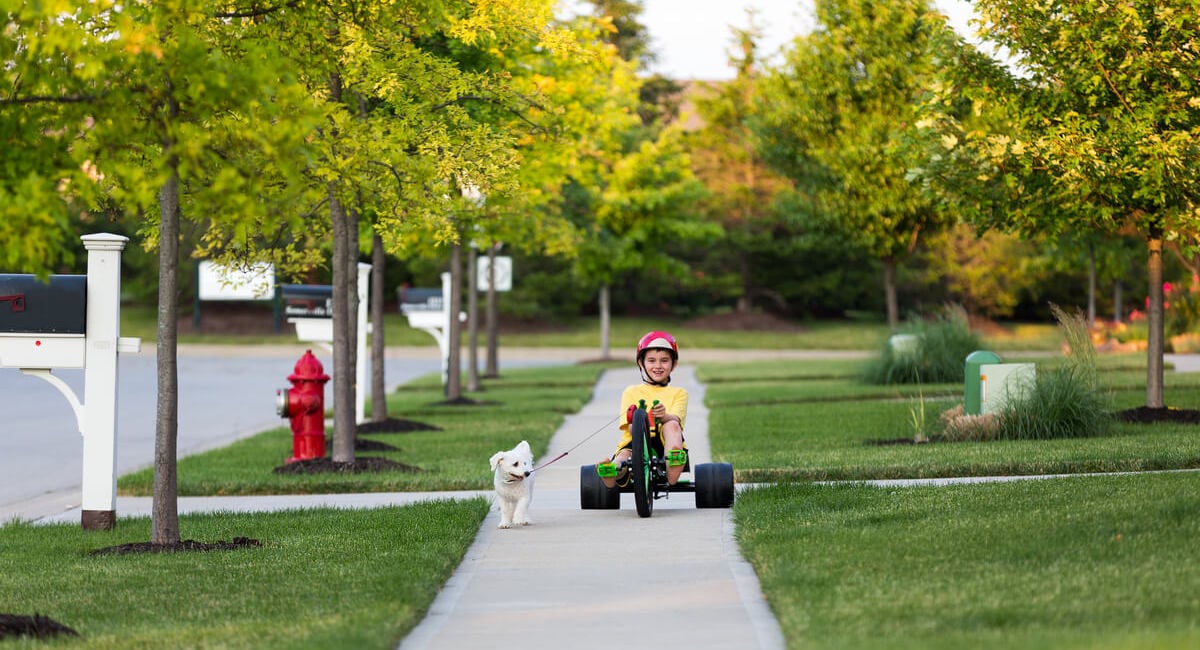
6. Trees
While street trees aren’t absolutely necessary for a neighborhood to be walkable, they do add a level of comfort that can make your walks much more enjoyable. Trees provide shade for pedestrians, which can be invaluable on hot summer days. They also improve the air quality, allowing community members to spend time outside more comfortably.
7. Benches and Trash Cans
The best walkable neighborhoods are designed for pedestrians to be able to fully function without a car. Not only should you be able to walk to your destination, but you should be able to do so without any inconvenience. As you walk around the neighborhood, take note of any benches or other street furniture. There should be plenty of places for you to stop, rest, and enjoy your time.
Also keep an eye out for trash cans along your route. If there’s nowhere for you to dispose of trash, you’ll have to carry your garbage with you all day. Bins along your route are a good sign that the neighborhood invests in walkability.
8. Efficiency
Think about the efficiency of the routes as you walk around the neighborhood. A meandering stroll through the town can be fun, but when you have to run errands or get to work, you probably want to take the fastest path possible. Good walkable neighborhoods have direct, efficient pathways that let walkers easily access the town center.

9. Parking Lots
The parking lot test is a simple but effective way to evaluate how walkable a neighborhood is. Visit the largest stores or businesses in the area, and take note of the location of the parking lot.
If the parking lot is in front of the store and pedestrians have to walk across it to get inside, the neighborhood was probably designed to prioritize cars and drivers. However, if the parking lot is behind the building and pedestrians can walk right up to the storefront from the sidewalk, the area was likely designed with foot traffic in mind.
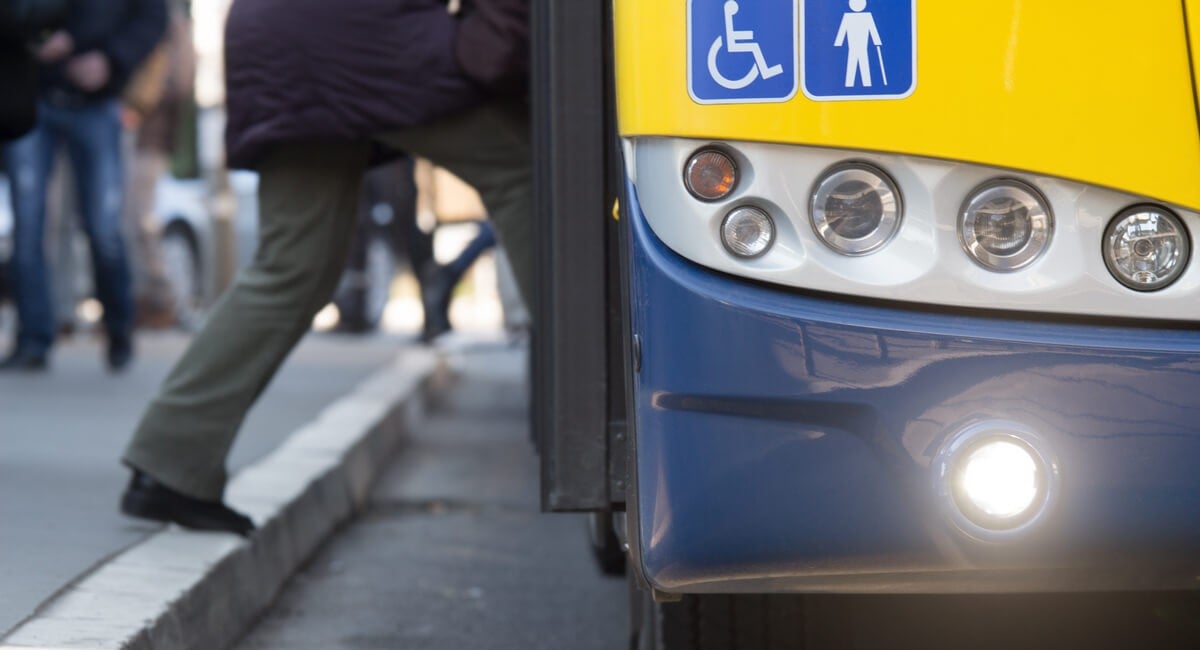
10. Other Pedestrians
During your walk, keep an eye out for other pedestrians. If the sidewalks are bustling with people walking to work, running errands, or simply enjoying the outdoors, you can take it as a sign that the community is pedestrian-friendly. On the other hand, if you see very few walkers even during commuting hours or on the weekends, the neighborhood may not be walkable at all.
A 30-minute walk can reveal so much about a neighborhood that you won’t experience by driving. If walkability is important to you, consider the proximity of businesses and community resources, safety, comfort, and accessibility. In a truly walkable community, you should feel just as safe and welcome on foot as you do behind the wheel.